July 12, 2013
Contrary to initial plans, word came from The Adventurists that…”the plonkers at English Heritage decided that despite confirming all was OK and telling us we should announce it to you fine folks; that they were a little scared of the great Mongol Rally and wimped out.”
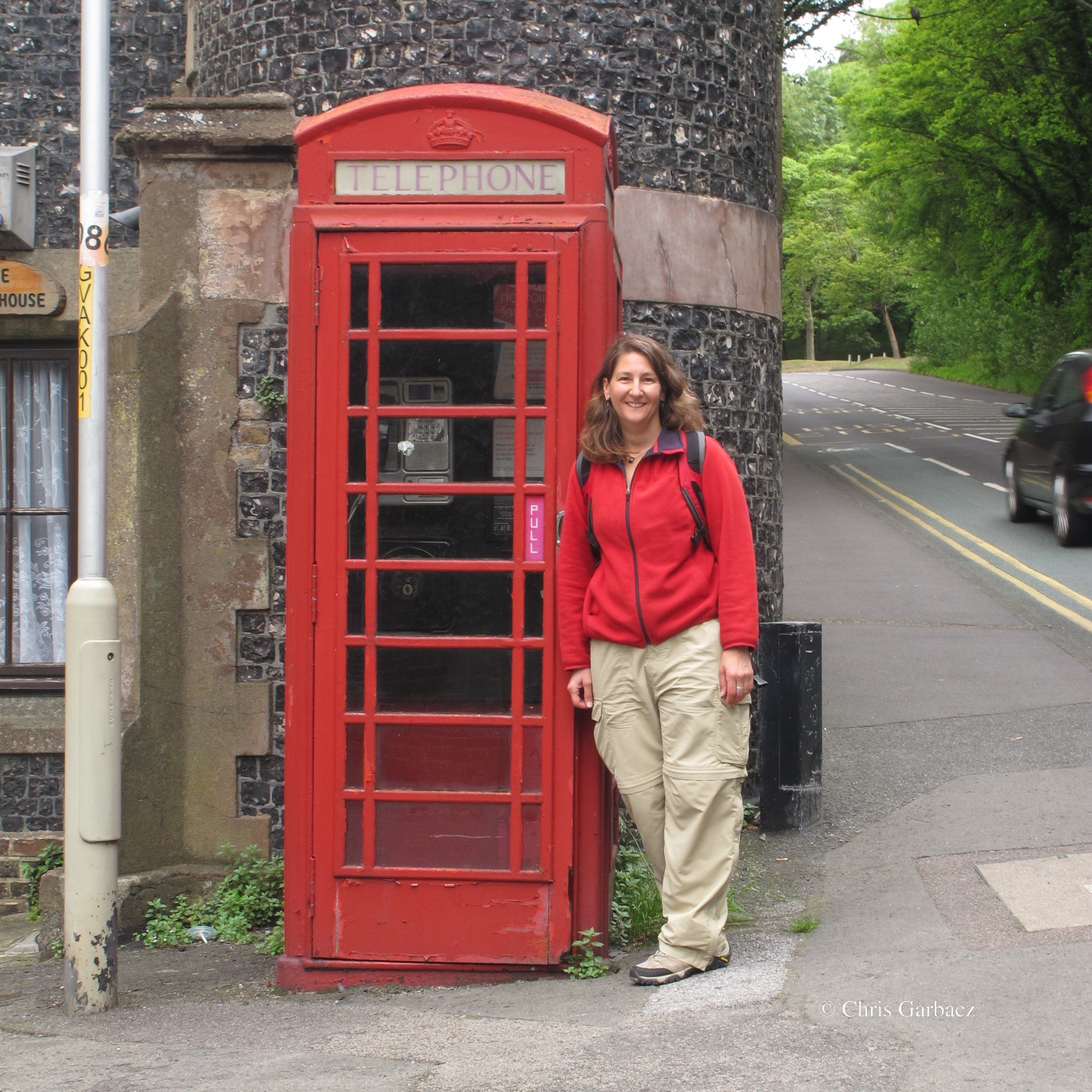
I guess something about 400 (??) crazy ralliers romping about their fine castle gave them pause – and 2nd thoughts – so Don, Sarah, and I , along with Amber – from the Canadian team Bro’s & Khans headed off to see this historic castle for ourselves.
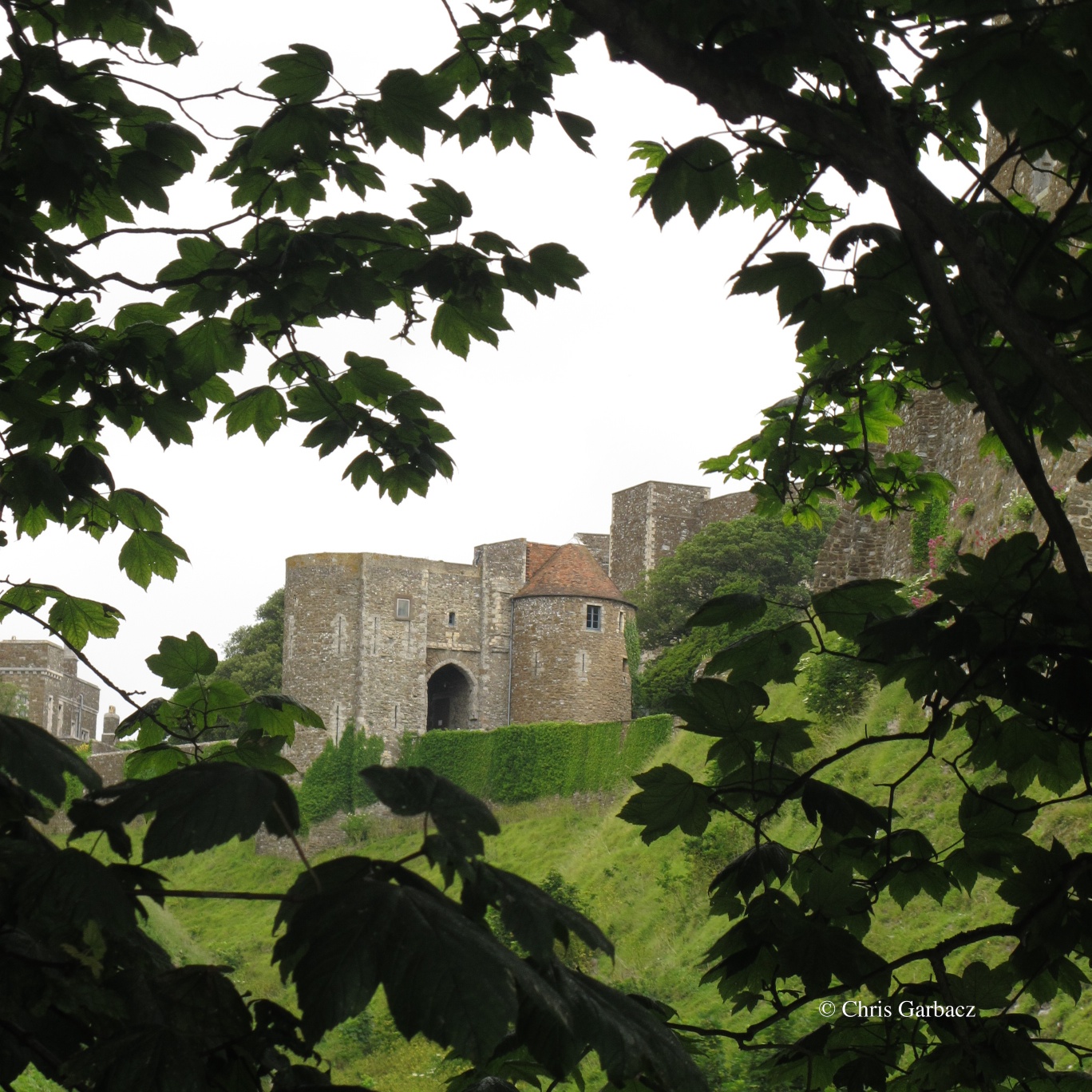
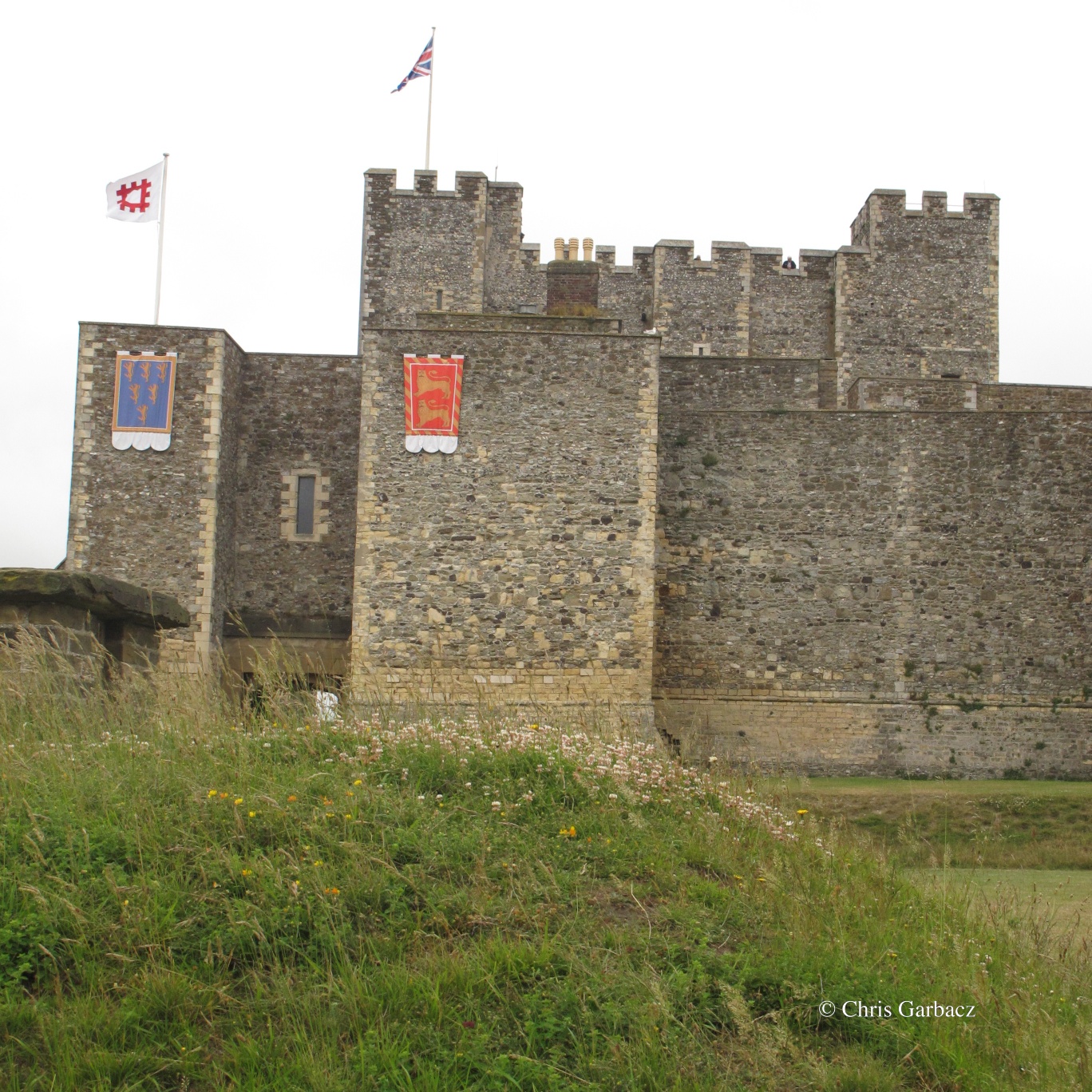
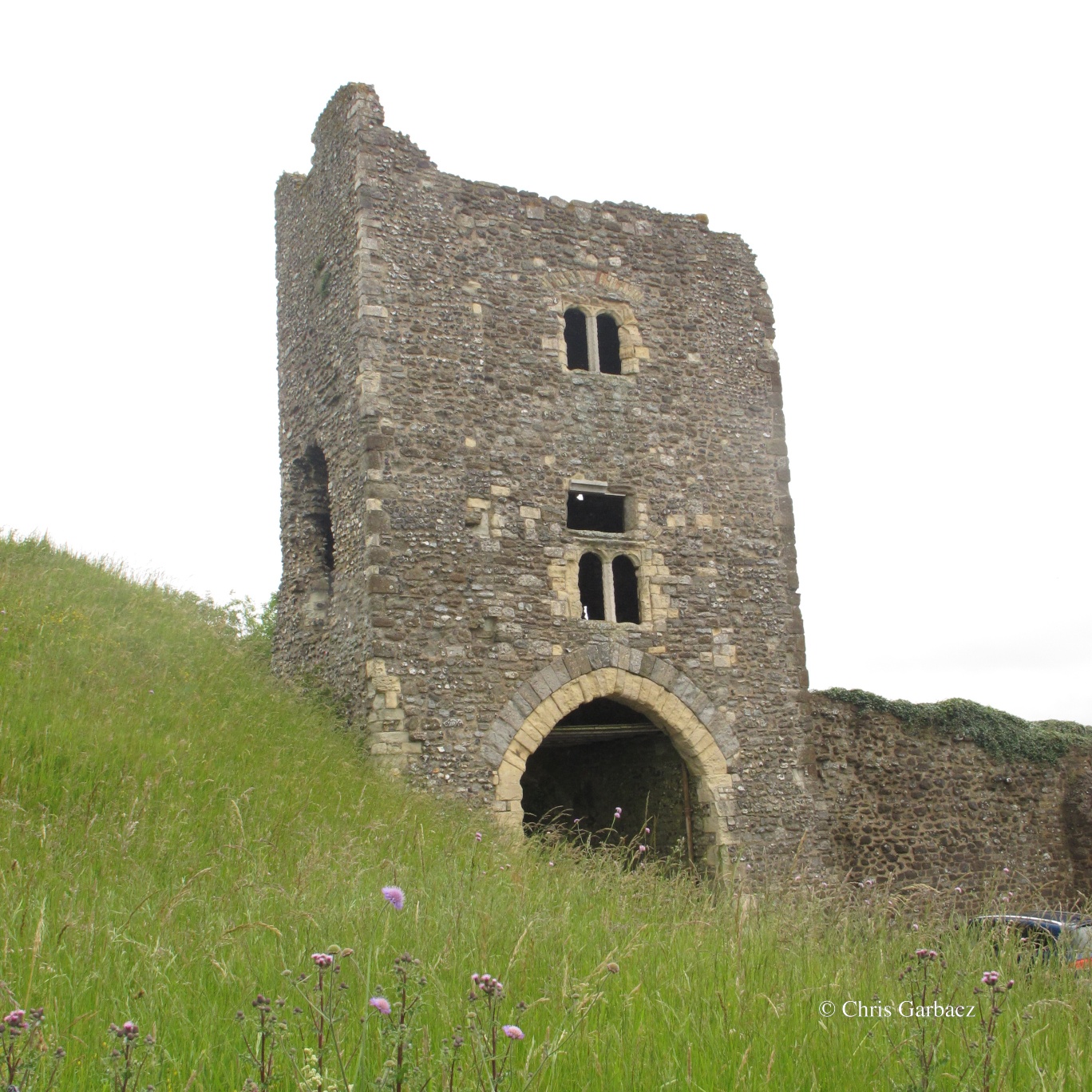
According to the guidebook: “Dover Castle is considered to be one of the mightiest fortresses in Western Europe. Henry II began building the present version of Dover Castle in the 1180’s. The Castle is located at the shortest sea crossing between England and France, giving it significant strategic importance. Over the following 800 years, the castle’s buildings and defences were adapted to meet the changing demands of weapons and warfare.”
Arriving via the local coastal bus, we walked up the hill atop the white cliffs of Dover and toured the castle, climbed up the great tower for magnificent views, saw the old roman lighthouse (built circa 2nd cent A.D.) and walked though some of the incredible network of tunnels which were used during WWII as a medic hospital, and the direction of the British evacuation from the beaches of Dunkirk in 1940.
I valiantly looked for and finally inquired about 2 cannons my friend Greta said might be at the castle – “The Queen of France” & “The General Wayne” – The cannons were 3# & 6# wrought iron, built by a William Denning around the early 1780’s for the US Army. One of her ancestors, a William Ferguson, assisted in the making of the carriages for the cannons. Word was they were later acquired by the British and installed at Dover Castle. Sadly I was not able to find out any more information from the docents on-site.
On the way home, I got off the bus at The Battle of Britain War Memorial, It opened 20 years ago this Sunday, to commemorate and honor those airmen who flew so valiantly against Germany in this historic and important air battle over the English Channel during WWII, from July to October of 1940.
Winston Churchil is quoted as saying on August 20, 1940:
“Never in the field of human conflict was so much owed by so many to so few”.
The War Memorial, has a beautiful commemorative wall of those lives lost, full size replicas of a Supermarine Spitfire MK 1 and a Hawker Hurricane MK 1 & aircraft, a statue and commanding views of the famous White Cliffs of Dover.
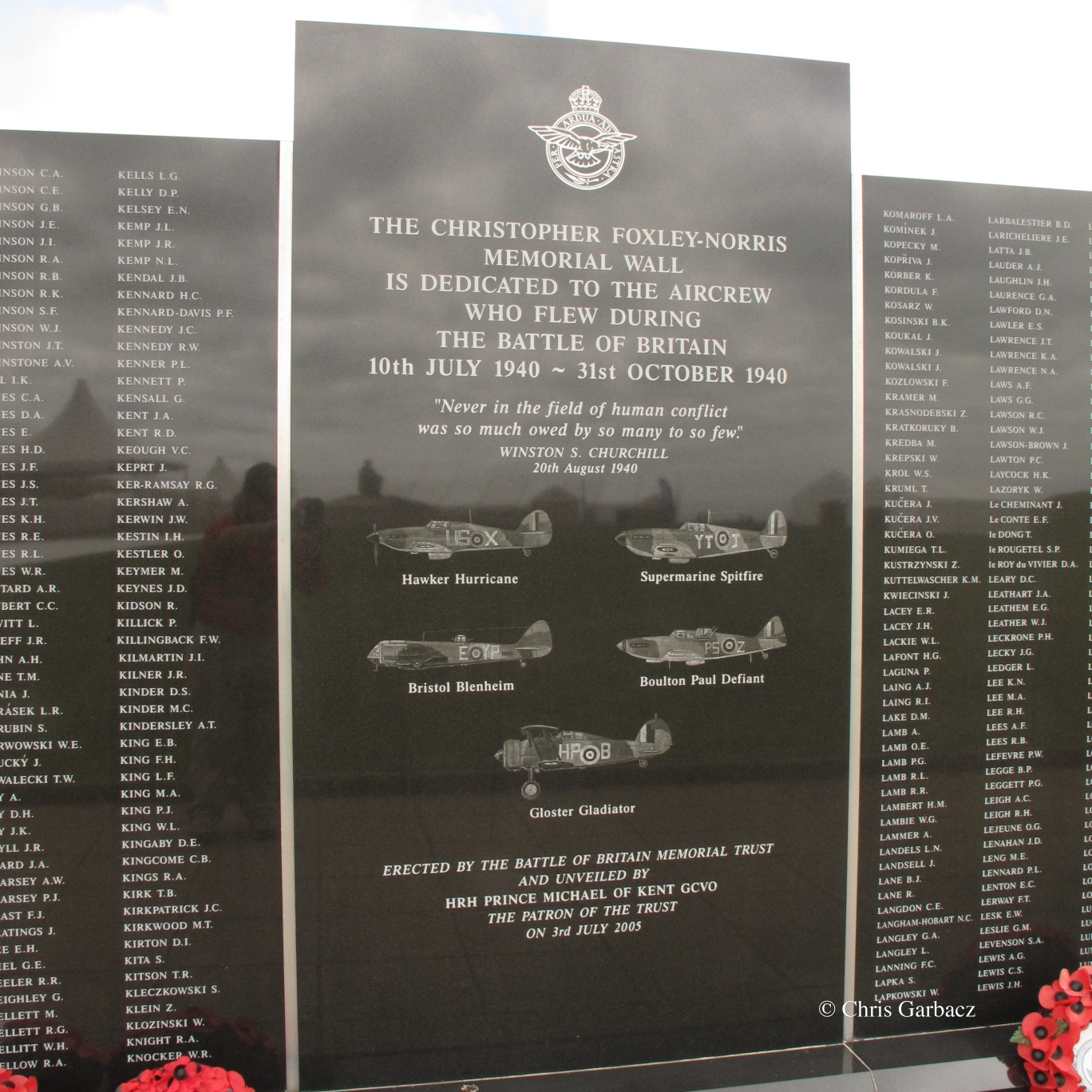
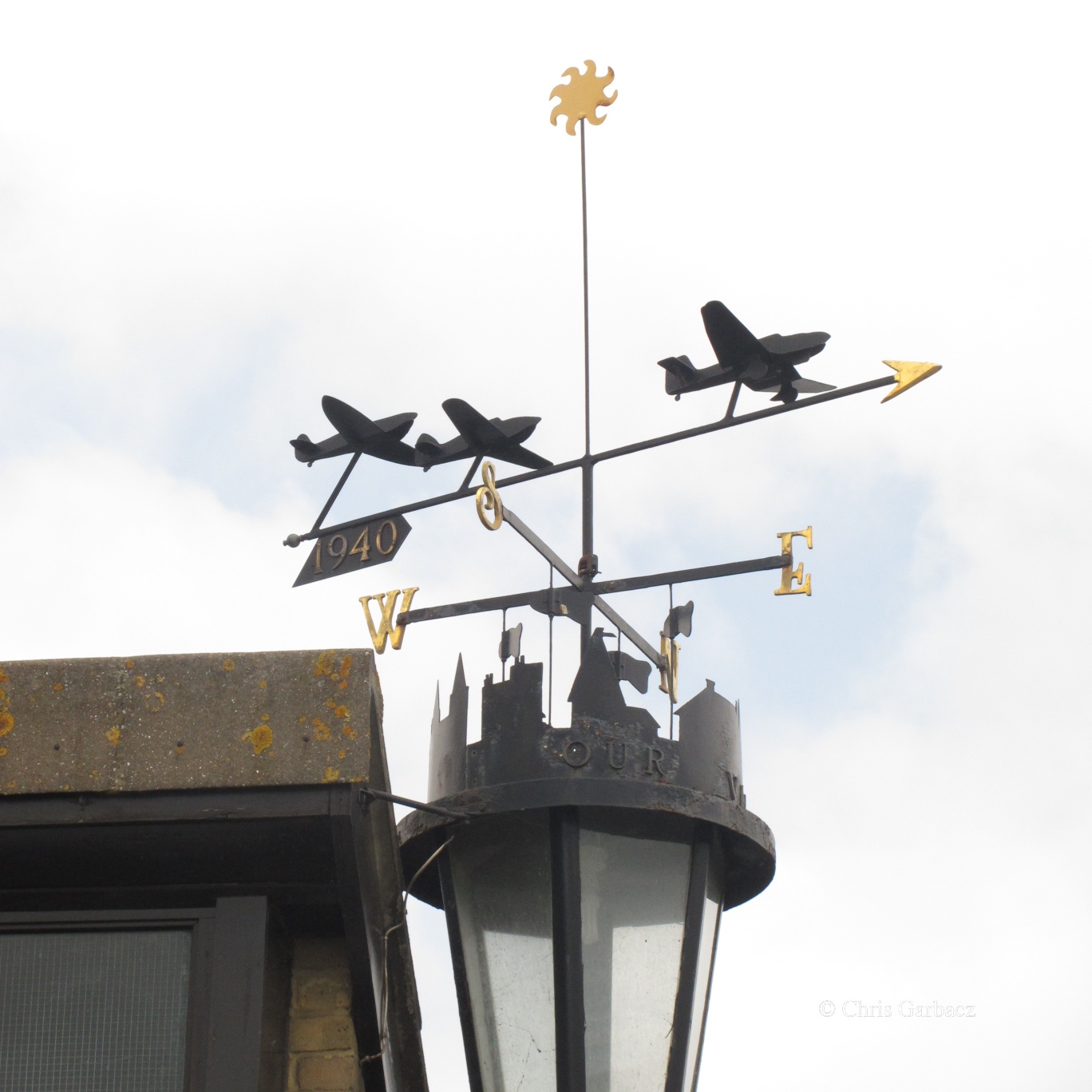
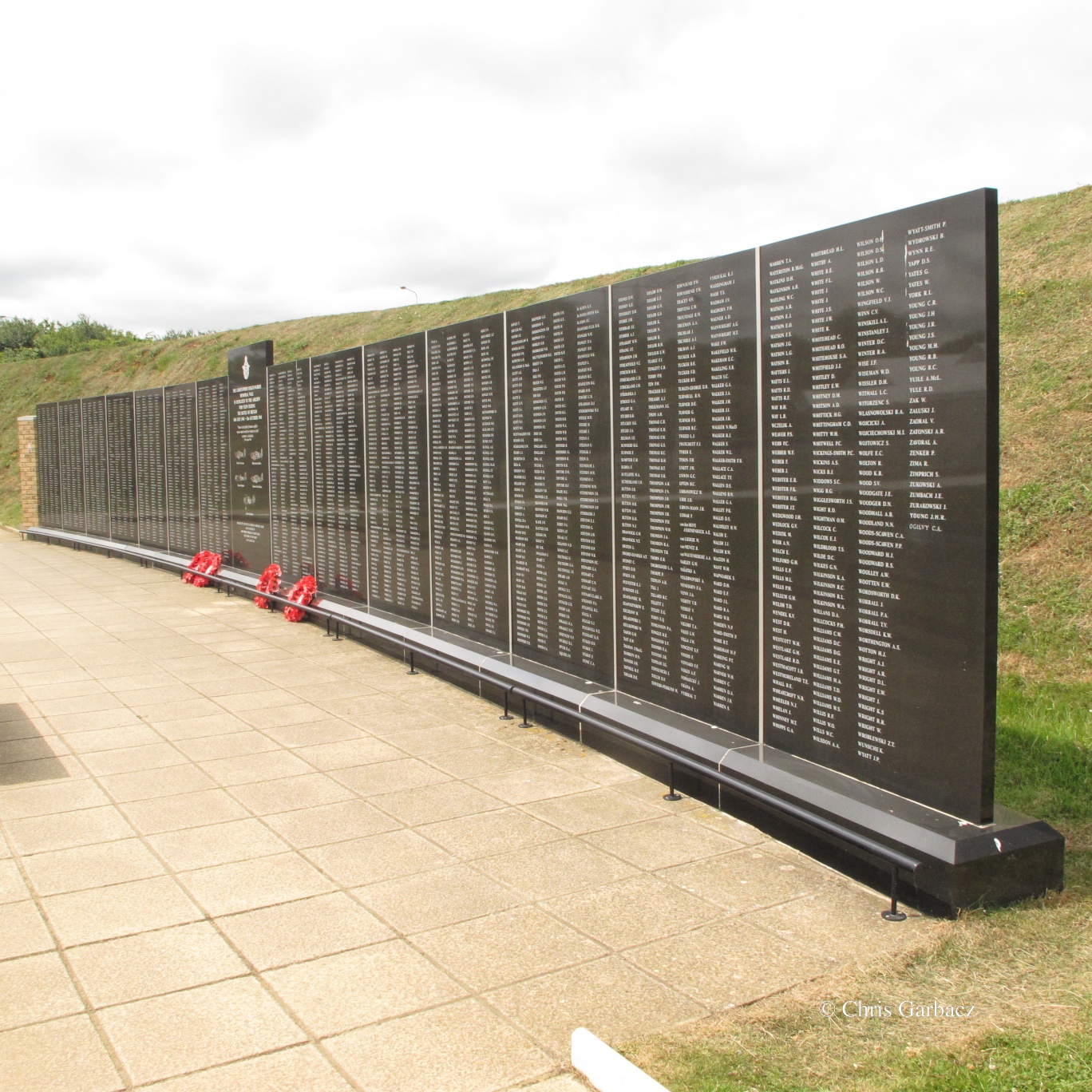
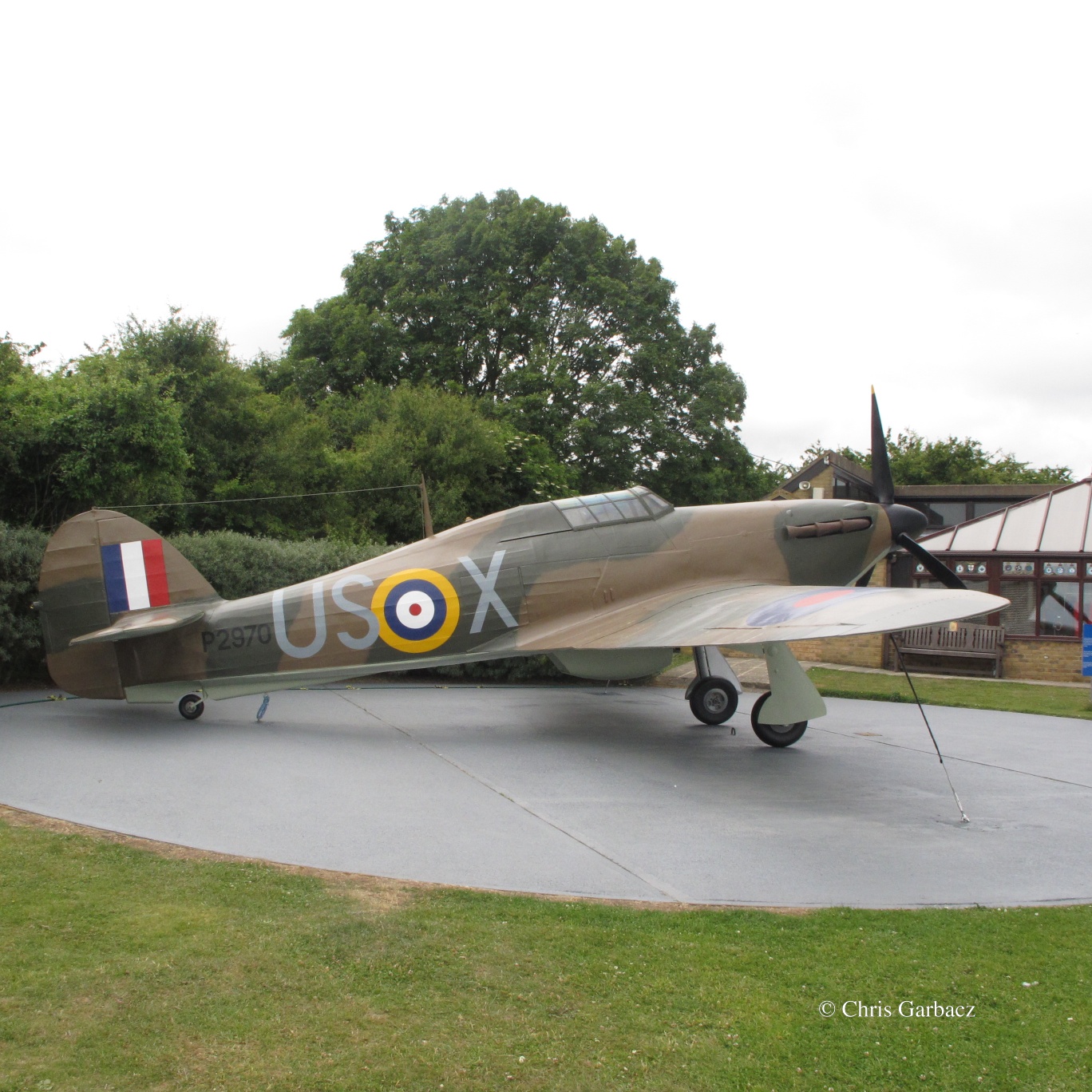
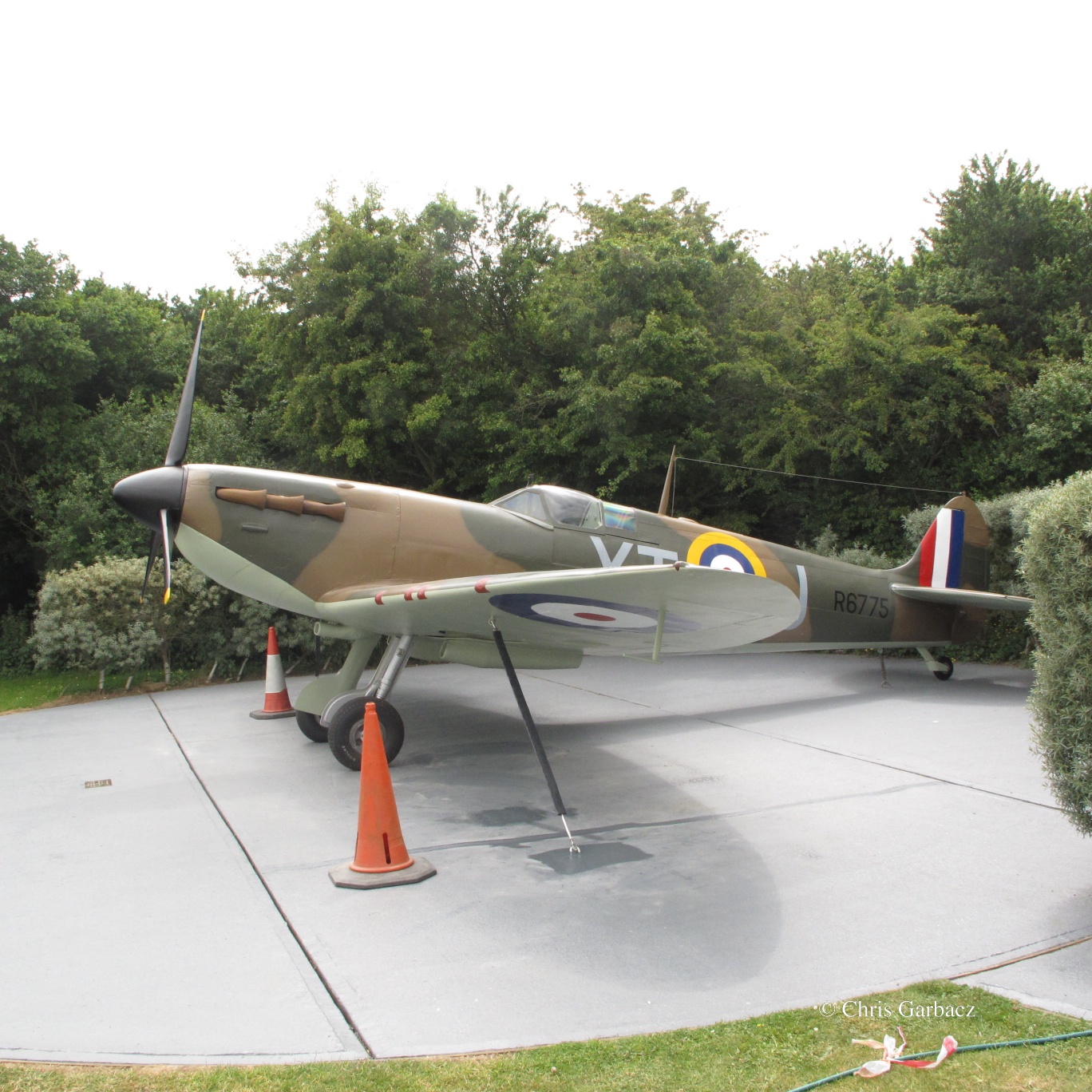
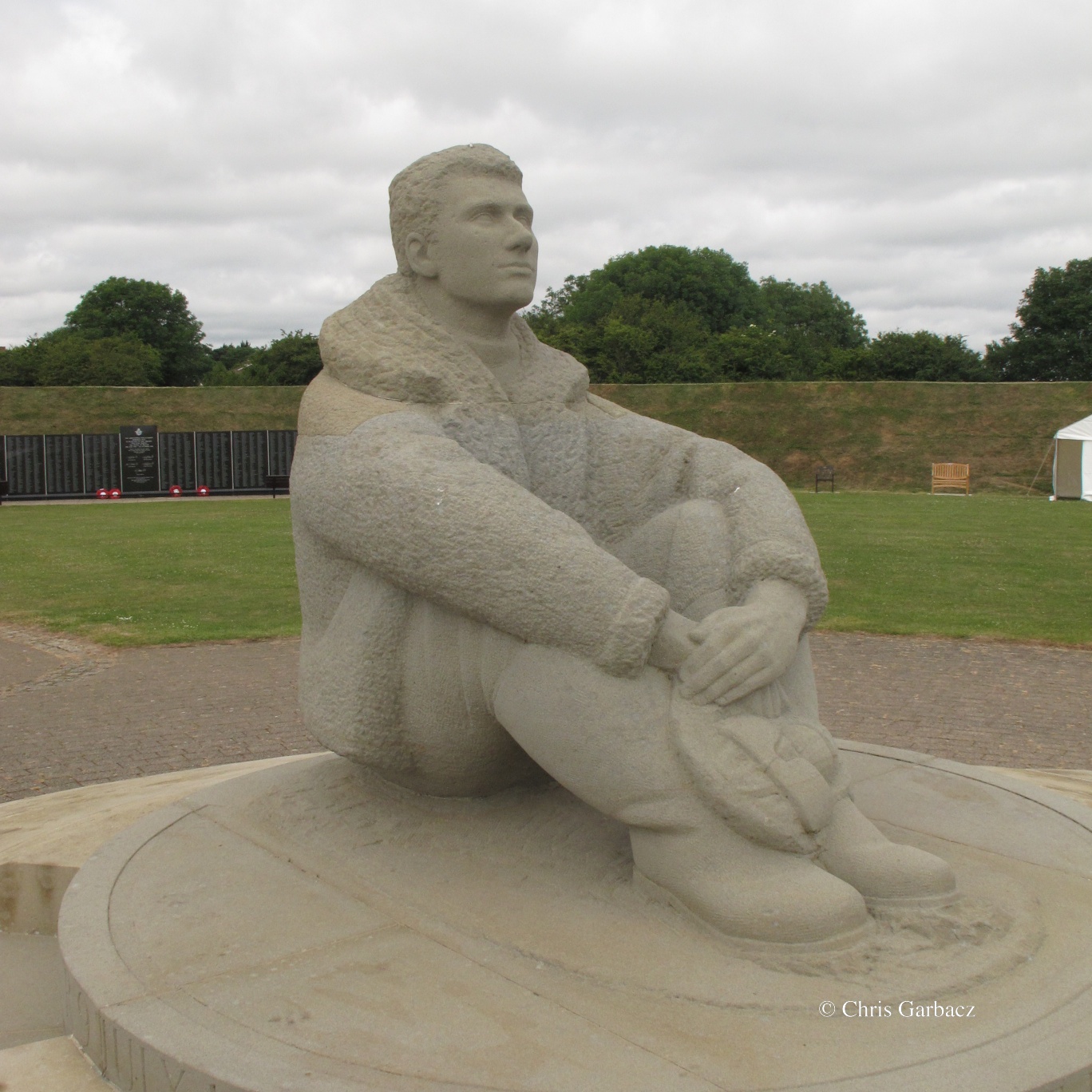
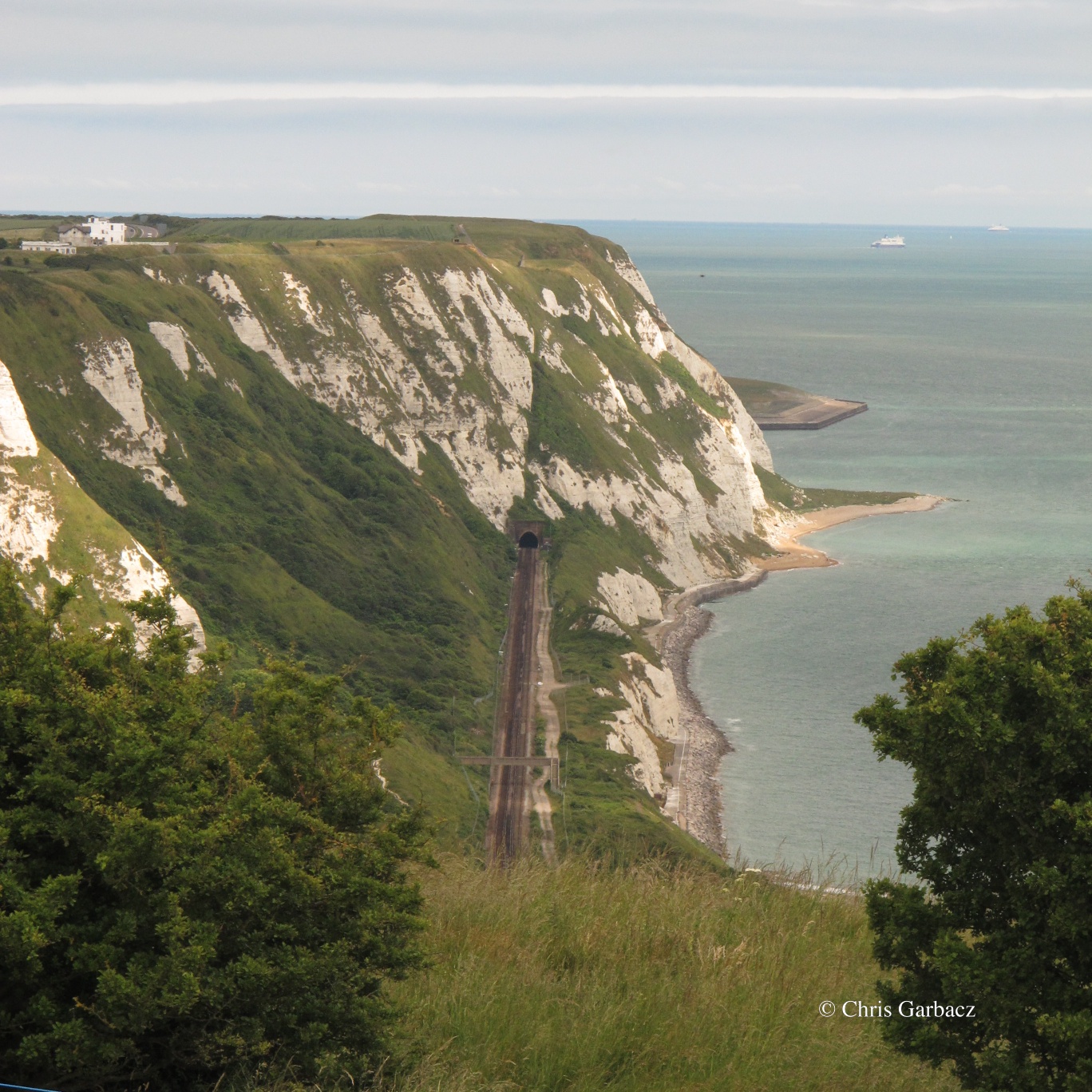
From the War Memorial, it was a short 15 min walk along a cliffside pathway that led right down into the Little Switzerland Campground.
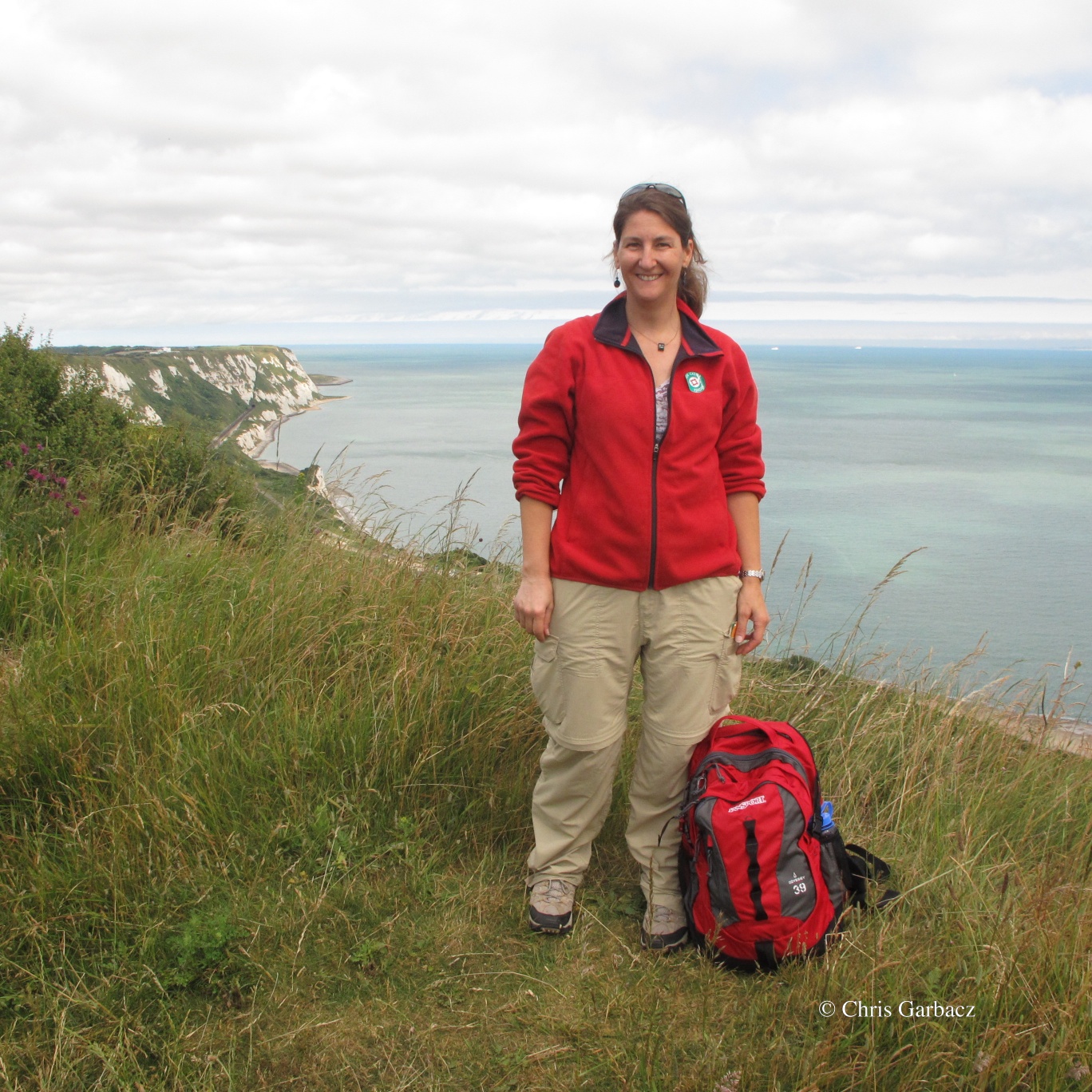
4 more of our teammates arrived throughout the afternoon: Sarita, Jan, Lina, and Johnny. It was great to finally meet some more of our team and spend our last evening sitting around our LED lantern “campfire” next to the bus with them, and the canadian, norwegian, and finland teams. Off to Bodiam Castle in the morning.
 Off The Rhumb Line